


Thanksgiving is one of the most cherished holidays in the United States, bringing families and friends together to share delicious food, express gratitude, and create lasting memories. From the traditional Thanksgiving turkey and pumpkin pie to festive parades, football games, and meaningful family traditions, the holiday celebrates appreciation, togetherness, and the importance of community.
If you are planning your holiday calendar, preparing a Thanksgiving dinner, or looking for creative ways to celebrate with loved ones, understanding when Thanksgiving falls in 2026 can help you organize a memorable celebration.
In this guide, discover the date of Thanksgiving 2026, the history behind the holiday, popular American traditions, traditional foods, and practical ideas for celebrating with family and friends.
When Is Thanksgiving 2026?
Thanksgiving Day in the United States will be celebrated on Thursday, November 26, 2026.
American Thanksgiving is observed every year on the fourth Thursday of November. The holiday provides an opportunity for people to pause their busy schedules, appreciate the positive things in their lives, and spend quality time with family members and friends.
Many Americans begin preparing for Thanksgiving several days in advance. Families plan their menus, purchase groceries, decorate their homes, and arrange travel to reunite with relatives. Some people also volunteer at community kitchens, donate food, or participate in charitable activities to help families experiencing hardship.
Thanksgiving 2026 at a Glance
- Holiday: Thanksgiving Day
- Date: Thursday, November 26, 2026
- Day of the week: Thursday
- Country: United States
- Observance: Annual federal holiday
- Traditional activities: Thanksgiving dinner, expressing gratitude, family gatherings, parades, and football
- Traditional foods: Roast turkey, stuffing, mashed potatoes, cranberry sauce, and pumpkin pie
Thanksgiving is a federal holiday, so federal government offices and many schools and businesses close for the day. However, operating hours vary among private businesses, restaurants, grocery stores, and other services.
What Is Thanksgiving and Why Is It Celebrated?
Thanksgiving is an annual American holiday centered on gratitude, family, generosity, and the harvest season. It encourages people to recognize the blessings in their lives, appreciate the support of others, and share meaningful moments with their communities.
For many households, the main event is a large meal enjoyed around a dining table. Family members may travel from different cities or states to gather under one roof, reconnect with relatives, and continue traditions passed down through generations.
Although Thanksgiving is widely associated with turkey, autumn decorations, and family dinners, its meaning extends beyond food and entertainment. Many people use the holiday to reflect on personal achievements, relationships, health, opportunities, and the kindness they have received throughout the year.
The holiday also has a complicated historical background involving European colonization and Indigenous peoples. Understanding this history provides a more complete picture of Thanksgiving and the different ways Americans observe it today.
The History of Thanksgiving in America
Thanksgiving has developed over several centuries, combining harvest celebrations, religious observances, presidential proclamations, and national traditions.
The 1621 Harvest Gathering
One event commonly associated with the origins of American Thanksgiving took place in the autumn of 1621 at Plymouth, in present-day Massachusetts. English colonists, often called Pilgrims, shared a harvest gathering with members of the Wampanoag people.
The gathering followed a difficult period for the colonists and took place within a broader history of Indigenous communities, diplomacy, cultural exchange, and European settlement.
The event is frequently described as the first Thanksgiving in America, although Indigenous peoples had long-established traditions of giving thanks and celebrating harvests before European arrival. The 1621 gathering was not the beginning of all Thanksgiving traditions, nor did it establish a continuous annual national holiday.
Thanksgiving Becomes a National Observance
During the following centuries, various American colonies and states held days of thanksgiving at different times. These observances were often associated with harvests, religious reflection, or important national events.
In 1863, during the Civil War, President Abraham Lincoln issued a proclamation calling for a national day of Thanksgiving to be observed in November. The proclamation followed a campaign by writer and editor Sarah Josepha Hale, who had advocated for a national Thanksgiving holiday for many years.
Lincoln’s proclamation helped establish Thanksgiving as an important annual national observance.
Why Thanksgiving Is Celebrated on Thursday
For many years, the date of Thanksgiving varied according to presidential proclamations and local practices. In 1939, President Franklin D. Roosevelt moved Thanksgiving to an earlier Thursday in November to extend the Christmas shopping season during the Great Depression.
The change created disagreement because some states followed the new date while others retained the traditional observance.
In 1941, Congress passed legislation establishing Thanksgiving on the fourth Thursday of November. President Roosevelt signed the measure into law, creating the rule that determines the date of Thanksgiving today.
As a result, Thanksgiving 2026 falls on Thursday, November 26.
Popular Thanksgiving Traditions in the United States
Thanksgiving traditions vary by region, family background, and personal preference. Some households maintain customs that have existed for generations, while others create new ways to celebrate.
1. Gathering for Thanksgiving Dinner
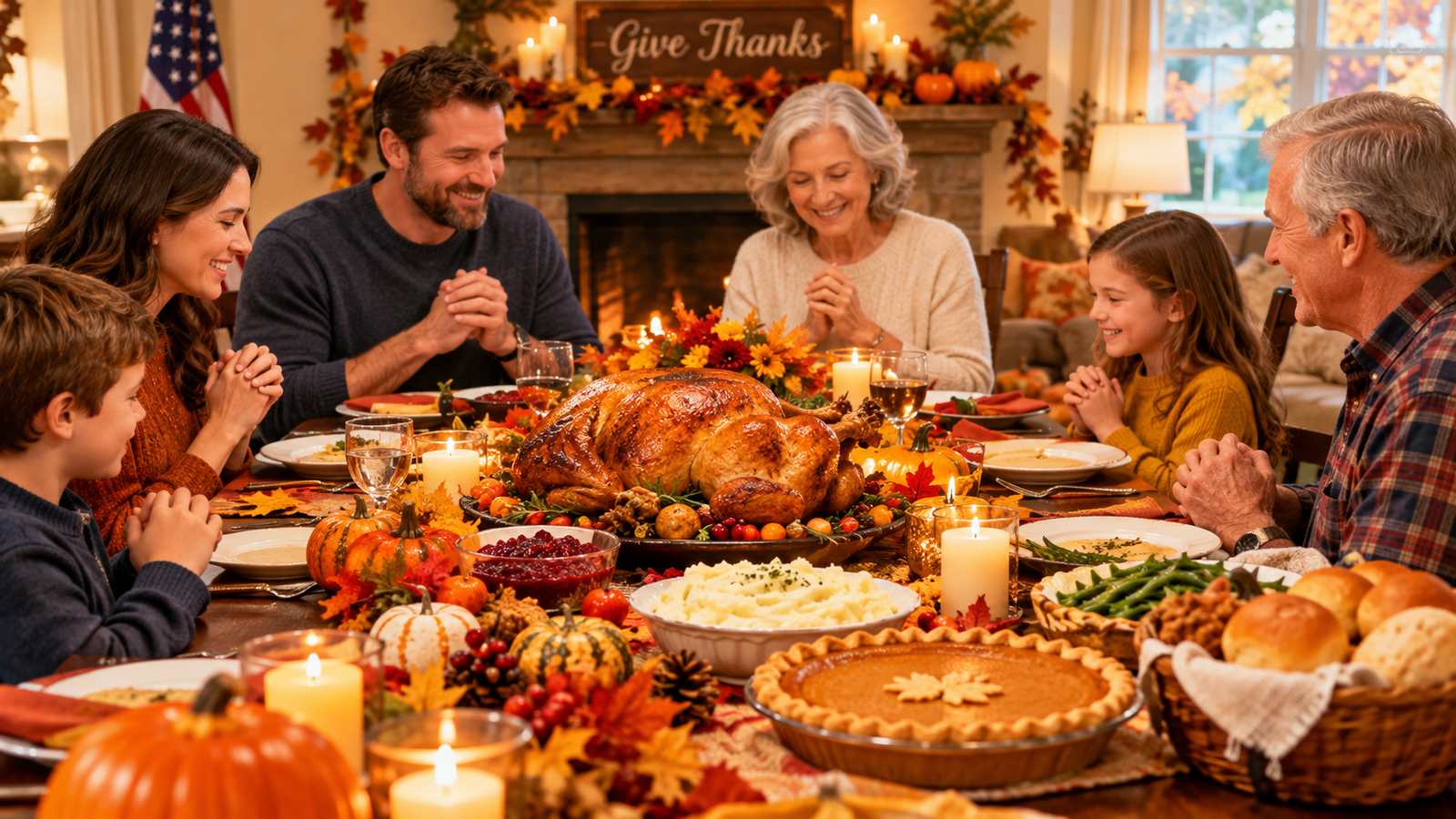
A family dinner is one of the most recognizable Thanksgiving traditions. Relatives and friends gather around a table to enjoy a homemade meal and spend time together.
Some families host large gatherings with extended relatives, while others prefer a smaller celebration with close friends or immediate family members. Potluck dinners are also popular because each guest can contribute a dish.
2. Sharing What You Are Grateful For
Many families begin their meal by asking everyone to share something they appreciate. Children might express gratitude for their parents, friends, or favorite activities, while adults may reflect on relationships, accomplishments, and opportunities.
This simple practice helps make Thanksgiving more meaningful and reminds everyone that gratitude does not have to involve expensive gifts or elaborate celebrations.
3. Watching the Macy’s Thanksgiving Day Parade
The Macy’s Thanksgiving Day Parade in New York City is a famous holiday tradition featuring enormous character balloons, elaborate floats, marching bands, musical performances, and celebrity appearances.
Many families watch the parade on television while preparing Thanksgiving dinner or enjoying breakfast together. The event has become an important part of the holiday atmosphere for viewers across the country.
4. Watching Thanksgiving Football
Football is another popular part of Thanksgiving in America. Many households watch NFL games during the afternoon and evening, while others enjoy college football or friendly backyard games.
For some families, watching football is just as important as preparing the meal. It provides a shared activity that brings generations together.
5. Helping Others Through Community Service
Thanksgiving is also an opportunity to support people who may be struggling. Volunteers often assist food banks, community kitchens, shelters, and charitable organizations during the holiday season.
Families can participate by donating canned goods, preparing meals, organizing clothing drives, or checking on older neighbors who may be spending the holiday alone.
Acts of generosity reflect the spirit of gratitude and help make the holiday meaningful beyond the household.
6. Decorating Homes for Autumn
Many Americans decorate their homes with pumpkins, colorful leaves, seasonal wreaths, candles, and warm-toned table settings.
Some families create elaborate dining tables with centerpieces and matching napkins, while others prefer simple handmade decorations. Natural materials, such as pinecones and autumn leaves, can create a festive atmosphere without requiring a large budget.
Traditional Thanksgiving Foods
Thanksgiving dinner is often the centerpiece of the celebration. Although menus vary across the country, several dishes have become closely associated with the holiday.
Roast Turkey
Roast turkey is the best-known Thanksgiving main dish. Families often prepare a whole turkey seasoned with herbs, butter, spices, and other ingredients before roasting it until cooked.
Some households choose smoked turkey, fried turkey, turkey breast, or an entirely different main dish depending on their preferences and dietary needs.
Stuffing or Dressing
Stuffing is commonly prepared with bread cubes, herbs, onions, celery, and broth. Some recipes include sausage, apples, dried cranberries, or nuts.
The terms stuffing and dressing are often used differently depending on regional and family traditions. Recipes vary considerably across the United States.
Mashed Potatoes and Gravy
Creamy mashed potatoes served with gravy are popular Thanksgiving side dishes. They pair well with roast turkey and other traditional foods.
Gravy is commonly prepared using turkey drippings or broth, flour, and seasonings. Some families add garlic, herbs, or other ingredients to create their preferred flavor.
Cranberry Sauce
Cranberry sauce provides a sweet and tart contrast to savory Thanksgiving dishes. It can be prepared from fresh or frozen cranberries with sugar and water, sometimes with orange zest or spices.
Some households prefer homemade cranberry sauce, while others serve the canned variety that has been part of their family traditions for years.
Sweet Potato Casserole
Sweet potatoes are another common Thanksgiving favorite. They may be mashed and baked with butter and spices or prepared as a casserole topped with marshmallows, pecans, or a brown sugar mixture.
The dish combines sweet flavors with the comforting warmth associated with autumn cooking.
Pumpkin Pie
Pumpkin pie is one of the most recognizable Thanksgiving desserts. It typically features a spiced pumpkin filling baked inside a pastry crust and served with whipped cream.
Other popular desserts include apple pie, pecan pie, cheesecake, and seasonal cakes. Families often prepare several desserts so guests can sample different flavors after dinner.
Vegetarian and Alternative Thanksgiving Meals
Not every Thanksgiving table includes turkey. Vegetarian and vegan households may serve roasted vegetables, lentil loaf, stuffed squash, mushroom Wellington, or plant-based main dishes.
Families can also adapt traditional recipes to accommodate allergies, religious dietary requirements, or personal preferences. Asking guests about dietary needs in advance helps ensure everyone can enjoy the meal comfortably.
Family-Friendly Thanksgiving Celebration Ideas
Thanksgiving can be memorable without requiring an expensive menu or complicated plans. Simple activities can help family members connect and create traditions that last for years.
Create a Thanksgiving Gratitude Jar
Place a jar and small pieces of paper on a table. Ask each guest to write down something they are thankful for and place the note inside.
During dinner or dessert, read the notes aloud. Guests can participate anonymously if they prefer, making this activity suitable for both children and adults.
Prepare Thanksgiving Crafts With Children
Children can help make paper turkeys, autumn leaf decorations, handmade place cards, or gratitude trees.
These projects keep younger family members engaged while allowing them to contribute to the celebration. Homemade decorations can also become keepsakes that families bring out each year.
Organize a Family Recipe Exchange
Invite relatives to bring a favorite Thanksgiving recipe or share a dish that has special meaning for their family.
You can collect the recipes in a notebook or digital document to create a family cookbook. This activity preserves culinary traditions and gives younger generations a chance to learn how beloved dishes are prepared.
Plan Outdoor Autumn Activities
If the weather allows, take a walk through a local park, visit a pumpkin patch, or organize a friendly backyard game before dinner.
Outdoor activities offer a refreshing break from cooking and screen time. They can also provide opportunities for family photos and relaxed conversation.
Host a Thanksgiving Potluck
A potluck is an excellent choice for families or groups of friends who want to share the work of preparing a large meal.
The host can prepare the main dish while guests bring appetizers, salads, side dishes, desserts, or drinks. Coordinating the menu in advance helps prevent duplicate dishes and ensures that everyone has something suitable to eat.
Start a New Family Tradition
Every family can create its own Thanksgiving customs. Ideas include taking an annual group photograph, writing letters of appreciation, playing board games, watching a favorite movie, or making a charitable donation together.
The most meaningful traditions are often those that encourage connection rather than perfection.
Thanksgiving Dinner Planning Tips for 2026
Planning ahead can reduce stress and allow hosts to enjoy the holiday alongside their guests.
Make a Guest List and Menu
Start by deciding how many people will attend and whether anyone has food allergies or special dietary requirements. Then plan the main course, side dishes, desserts, and beverages.
A balanced menu should include a mix of familiar favorites and dishes that suit the needs of your guests.
Prepare a Grocery List
Write down every ingredient required for your recipes and check which items you already have at home. Shopping early can make it easier to find seasonal ingredients and avoid last-minute trips.
Nonperishable ingredients can often be purchased in advance, while fresh produce and other perishable foods should be stored appropriately.
Prepare Some Dishes Ahead of Time
Many Thanksgiving dishes can be prepared partially or completely before the holiday, depending on the recipe.
Pie crusts, cranberry sauce, certain casseroles, and some desserts can often be made ahead. On Thanksgiving Day, concentrate on tasks that require last-minute preparation, such as roasting the turkey and finishing hot side dishes.
Plan the Cooking Schedule
If you are preparing several dishes, create a simple timetable that includes cooking, reheating, resting, and serving times.
Make sure your oven space and serving dishes are sufficient for the menu. A written schedule can help prevent multiple dishes from competing for the same equipment at the same time.
Practice Safe Food Handling
Food safety is especially important when preparing a large holiday meal.
Thaw frozen turkey safely in the refrigerator or by using another recognized safe method. Use a food thermometer to verify that poultry reaches an internal temperature of 165°F (74°C), checking the thickest parts of the breast and the innermost parts of the thigh and wing.
Refrigerate perishable leftovers within two hours of serving, divide large portions into shallow containers, and use refrigerated leftovers within three to four days. Reheat leftovers to 165°F (74°C).
Following these precautions helps protect guests and allows everyone to enjoy Thanksgiving food with greater confidence.
Thanksgiving Travel and Holiday Weekend Plans
Thanksgiving often brings one of the busiest travel periods of the year in the United States. Millions of people travel by car, train, bus, or airplane to spend the holiday with family and friends.
Because Thanksgiving falls on Thursday, November 26, in 2026, many travelers may plan trips beginning Wednesday, November 25, and return home during the following weekend.
If you are traveling, consider booking transportation and accommodations early, checking weather forecasts, and allowing extra time for potential delays.
Drivers should inspect their vehicles before leaving, plan rest stops, and avoid driving when tired. Air travelers should check airline schedules, baggage rules, and airport guidance before departure.
Some families turn the long weekend into a short vacation by visiting relatives, exploring nearby attractions, or enjoying seasonal events. Others stay home and use the extra time to rest, decorate for winter holidays, or spend more time together.
Is Thanksgiving a Federal Holiday?
Yes. Thanksgiving Day is a federal holiday in the United States.
Federal government offices generally close, and many schools, banks, and private businesses suspend normal operations or adjust their schedules. However, holiday policies differ by employer, institution, and location.
Essential services, some restaurants, selected grocery stores, travel facilities, and certain retail businesses may remain open, sometimes with reduced hours.
Thanksgiving is also closely associated with the start of the holiday shopping season. Black Friday, the day after Thanksgiving, is traditionally one of the busiest shopping days of the year.
In 2026, Black Friday falls on Friday, November 27. Some retailers may begin promotions earlier in the week or extend discounts through the weekend.
Thanksgiving and Indigenous Perspectives
A complete understanding of Thanksgiving includes recognizing Indigenous peoples and their experiences.
The traditional story of the 1621 harvest gathering is often presented as a simple account of friendship between English colonists and the Wampanoag people. However, this interpretation leaves out much of the broader history of Indigenous communities, European colonization, land loss, disease, conflict, and cultural survival.
For many Native Americans, Thanksgiving can be a day of remembrance, reflection, or mourning rather than celebration. The National Day of Mourning, organized by Indigenous activists and supporters, has been observed in Plymouth, Massachusetts, on Thanksgiving Day since 1970.
People who want to learn more can explore Indigenous-authored historical resources, support Native-led organizations, and learn about the contemporary cultures and contributions of Indigenous communities.
Acknowledging these perspectives does not prevent families from celebrating gratitude. Instead, it encourages a more thoughtful and historically informed understanding of the holiday.
How to Celebrate Thanksgiving on a Budget
A meaningful Thanksgiving does not have to be expensive. With thoughtful planning, families can enjoy a festive celebration while keeping costs manageable.
- Choose a practical menu: Focus on a few favorite dishes instead of preparing an unnecessarily large spread.
- Use seasonal ingredients: Autumn vegetables and other seasonal foods can help create a satisfying meal.
- Organize a potluck: Share the cost and preparation work among guests.
- Decorate naturally: Use leaves, pinecones, pumpkins, or handmade decorations.
- Shop with a list: Compare prices, check pantry supplies, and avoid unnecessary purchases.
- Reuse family decorations: Bring out items from previous years instead of buying everything new.
- Focus on shared experiences: Gratitude activities, family games, and conversations can be more memorable than expensive entertainment.
The purpose of Thanksgiving is to bring people together, not to create a perfect holiday display or prepare the most expensive meal.
Frequently Asked Questions About Thanksgiving 2026
What date is Thanksgiving in 2026?
Thanksgiving Day in the United States is Thursday, November 26, 2026. It is observed on the fourth Thursday of November each year.
What day of the week is Thanksgiving 2026?
Thanksgiving 2026 falls on a Thursday.
Why does Thanksgiving change dates every year?
Thanksgiving is celebrated on the fourth Thursday of November, rather than on a fixed calendar date. Therefore, the date changes from year to year.
What is the traditional food for Thanksgiving?
Roast turkey is the best-known Thanksgiving main dish. Common accompanying foods include stuffing, mashed potatoes, gravy, cranberry sauce, sweet potatoes, vegetables, and pumpkin pie.
Is Thanksgiving a federal holiday?
Yes. Thanksgiving is a federal holiday in the United States, and federal offices generally close for the day. Private businesses and other services may follow different schedules.
Do Americans celebrate Thanksgiving with family?
Many Americans celebrate with family members and friends, sharing a meal and participating in traditions such as expressing gratitude, watching parades, and enjoying football. Others celebrate quietly, volunteer, or observe the day in different ways.
When is Black Friday in 2026?
Black Friday falls on Friday, November 27, 2026, the day after Thanksgiving.
How can families celebrate Thanksgiving without spending much money?
Families can prepare a simple meal, organize a potluck, make homemade decorations, play games, share gratitude notes, and spend time together at home or outdoors.
Is Thanksgiving celebrated outside the United States?
Other countries have their own Thanksgiving or harvest-related observances, but the American Thanksgiving holiday is distinct in its history, date, and traditions. Canada, for example, celebrates Thanksgiving on a different date.
Conclusion
Thanksgiving 2026 will take place on Thursday, November 26, giving Americans another opportunity to celebrate gratitude, strengthen family connections, and share meaningful experiences.
From its historical origins and traditional turkey dinner to the Macy’s Thanksgiving Day Parade, football, community service, and creative family activities, Thanksgiving brings together a wide range of customs and personal traditions.
Whether you are hosting a large gathering, enjoying a quiet meal, traveling to visit relatives, or volunteering in your community, the holiday can be an opportunity to appreciate the people and experiences that make life meaningful.
As Thanksgiving approaches, plan ahead, make room for different perspectives, and focus on what matters most: gratitude, generosity, connection, and time spent with the people who matter to you.